
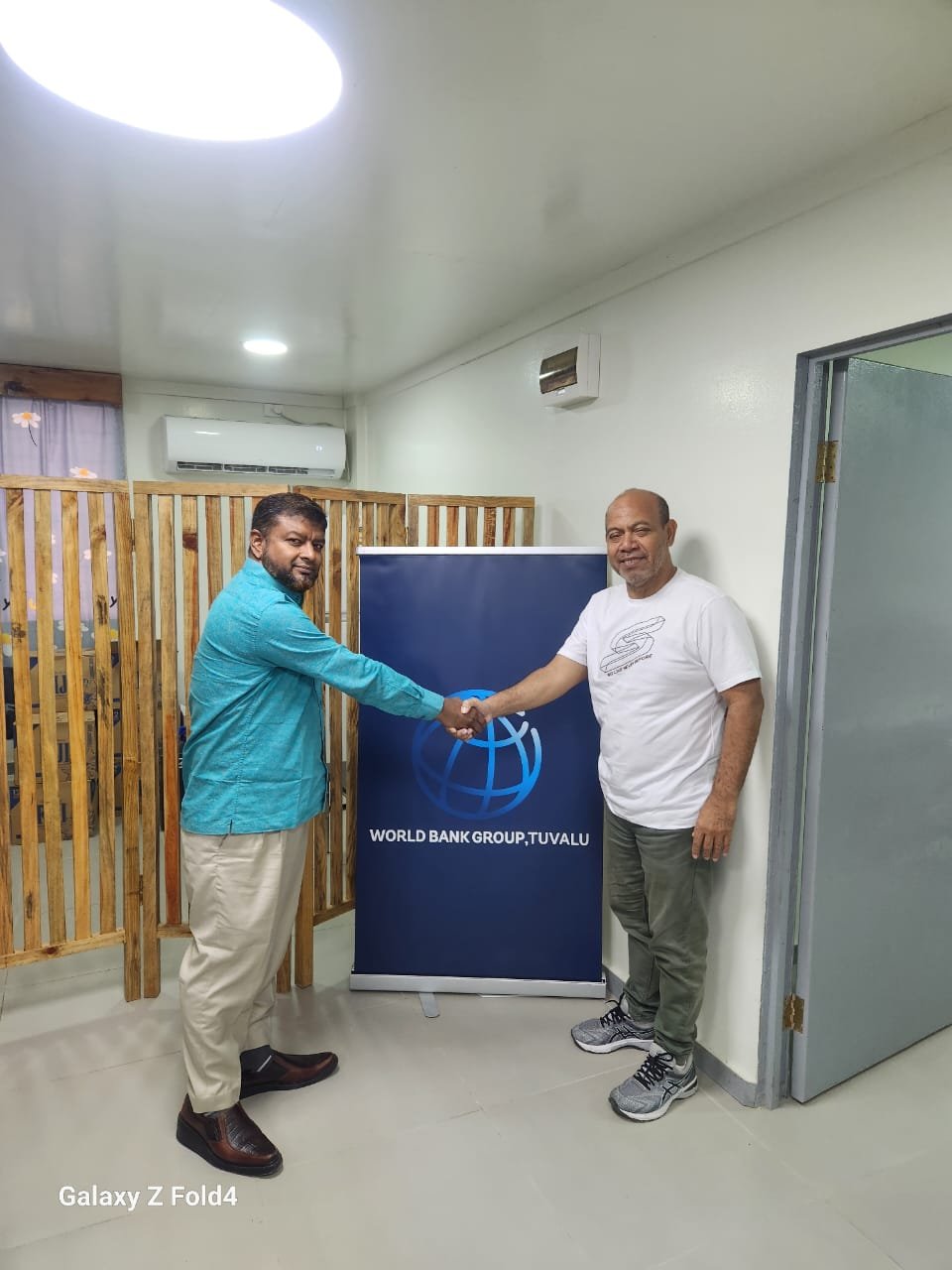
Pandemic Preparedness focuses on strengthening national and subnational capacities to prevent, detect, and respond to public health emergencies and pandemics. We support governments and partners to build resilient surveillance systems, emergency preparedness plans, and coordinated response mechanisms to protect populations and maintain essential health services during crises.
Our pandemic preparedness approach integrates surveillance, preparedness planning, and response capacity strengthening to enhance health system readiness for future public health threats. We combine technical expertise with systems-level planning to ensure rapid, coordinated, and effective responses to outbreaks and health emergencies.
We strengthen preparedness systems to ensure timely detection, coordinated response, and continuity of essential health services during public health emergencies. Our work supports countries in building integrated preparedness architectures that link surveillance, laboratories, emergency operations, and frontline service delivery.
Our structured approach supports countries across the full preparedness cycle—from risk assessment and planning to response readiness and continuous improvement—ensuring sustainable preparedness capacities.
Project timelines vary depending on scope, country context, stakeholder engagement, and implementation complexity. Strategic assessments and evaluations typically take 3–6 months, while large-scale health systems strengthening or infrastructure programs may span 1–3 years, including design, implementation support, and learning cycles.
My approach follows an evidence-based project cycle: diagnostic assessment, co-design with stakeholders, implementation support, and continuous monitoring, evaluation, and learning (MEL). This ensures interventions are context-sensitive, adaptive, and aligned with national priorities and donor standards.
Yes. Adaptive management is integral to my work. Programs are designed with learning loops that allow course correction based on real-time monitoring, emerging risks, and stakeholder feedback—both during implementation and post-project learning phases.
I collaborate with national governments, multilateral agencies, NGOs, and local implementing partners to ensure alignment with policy priorities, institutional capacity building, and sustainable system strengthening across diverse country contexts.
Initial strategies are treated as hypotheses to be tested in real-world contexts. Through MEL systems, pilot phases, and stakeholder consultations, strategies are refined to maximize relevance, effectiveness, and long-term impact.
Partner with me to build evidence-driven MEL and digital health solutions for real-world impact.
Copyright © 2026 All Rights Reserved.