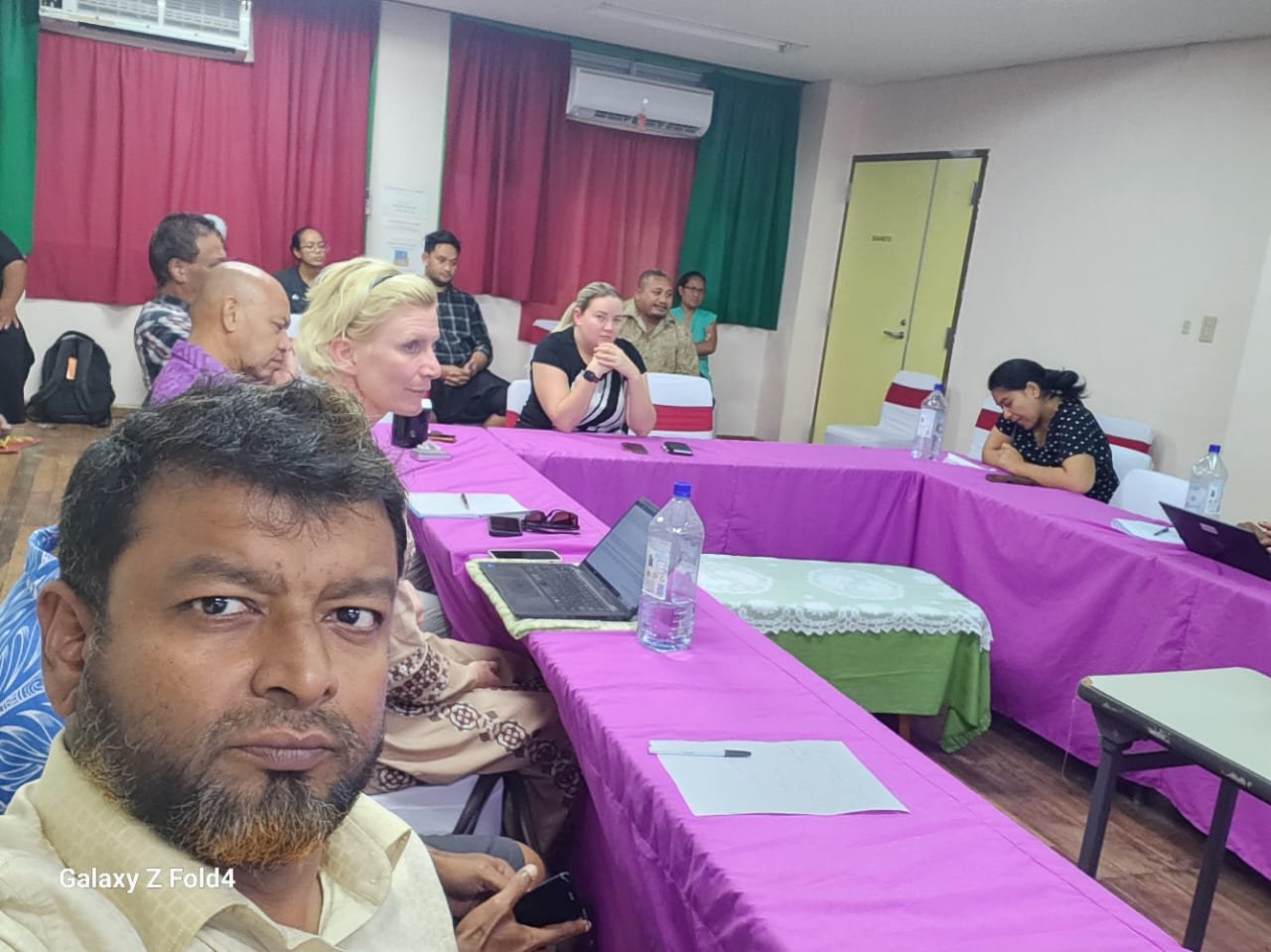

Digital Health & DHIS2 focuses on designing, implementing, and scaling digital health solutions and DHIS2-based health information systems to strengthen data-driven decision-making across health systems. We support governments and partners to improve data quality, interoperability, real-time reporting, and the use of digital tools for monitoring service delivery and population health outcomes.
Our digital health approach strengthens health information systems, improves data availability and quality, and enables evidence-based planning and performance management. We combine technical expertise with health system understanding to ensure digital solutions are user-friendly, interoperable, and aligned with national strategies.
We enable health systems to leverage routine data for planning, monitoring, and accountability. By strengthening DHIS2 implementations and integrating digital health tools, we help institutions move from fragmented reporting to cohesive, real-time information flows that support frontline workers, managers, and policymakers.
Our implementation approach ensures digital solutions are designed with users in mind and embedded within existing health system workflows. We support partners from needs assessment to system scale-up and institutionalization.
Project timelines vary depending on scope, country context, stakeholder engagement, and implementation complexity. Strategic assessments and evaluations typically take 3–6 months, while large-scale health systems strengthening or infrastructure programs may span 1–3 years, including design, implementation support, and learning cycles.
My approach follows an evidence-based project cycle: diagnostic assessment, co-design with stakeholders, implementation support, and continuous monitoring, evaluation, and learning (MEL). This ensures interventions are context-sensitive, adaptive, and aligned with national priorities and donor standards.
Yes. Adaptive management is integral to my work. Programs are designed with learning loops that allow course correction based on real-time monitoring, emerging risks, and stakeholder feedback—both during implementation and post-project learning phases.
I collaborate with national governments, multilateral agencies, NGOs, and local implementing partners to ensure alignment with policy priorities, institutional capacity building, and sustainable system strengthening across diverse country contexts.
Initial strategies are treated as hypotheses to be tested in real-world contexts. Through MEL systems, pilot phases, and stakeholder consultations, strategies are refined to maximize relevance, effectiveness, and long-term impact.
Partner with me to build evidence-driven MEL and digital health solutions for real-world impact.
Copyright © 2026 All Rights Reserved.